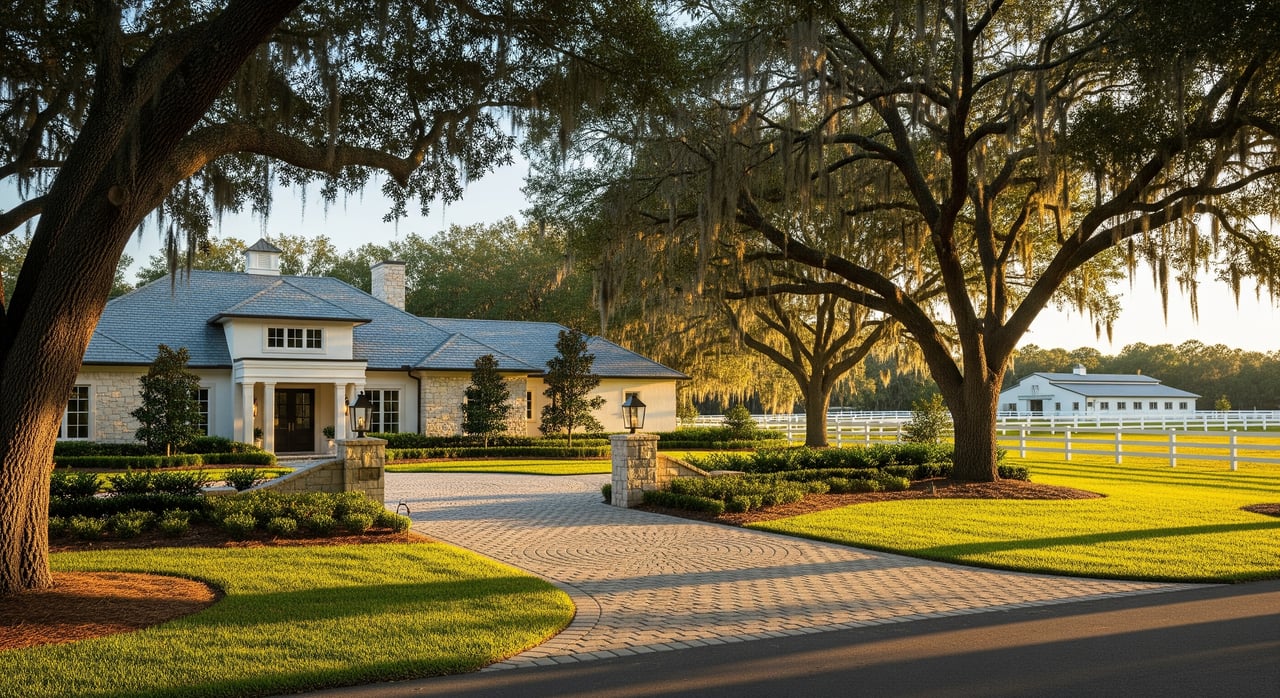
Considering a home in Bellechase and keep seeing the term “deed-restricted”? If you value privacy, curb appeal, and a refined neighborhood setting, communities like Bellechase in southeast Ocala can be a great fit. Still, it helps to understand what the rules cover, how the homeowners association operates, and what to review before you buy. This guide breaks it all down so you can shop with confidence and focus on the lifestyle you want. Let’s dive in.
Deed-restricted, explained for Bellechase
In Florida, “deed-restricted” means your property is subject to recorded Covenants, Conditions and Restrictions, often called CC&Rs. These restrictions run with the land, so they bind all current and future owners. The CC&Rs typically control how property is used, set architectural and maintenance standards, and spell out what requires approval.
Most deed-restricted neighborhoods also have a homeowners association that enforces the CC&Rs, adopts rules, and manages common areas. In Marion County, the CC&Rs and any amendments are recorded in the county’s official records. As a buyer, you should plan to read the recorded documents that apply to the specific lot you are considering.
CC&Rs vs. HOA rules and ARC guidelines
The CC&Rs are the community’s foundation. The association’s Bylaws, Rules and Regulations, and Architectural Review Committee (ARC) guidelines provide day-to-day details, such as parking policies, exterior paint palettes, or submission requirements for improvements. Expect to submit plans for exterior work and wait through a defined ARC review period. Timelines often range from 30 to 60 days, but you should verify the process and timing in the Bellechase documents.
What “gated” adds in Ocala
“Gated” refers to controlled vehicle and pedestrian access using a staffed gatehouse, automated gates, or electronic systems. Gates reduce through-traffic and increase privacy, which many buyers prefer. They do not guarantee crime prevention. Gate design and operation typically include emergency access provisions, so ask about responder access procedures and the community’s gate policy.
Common rules you may see in Bellechase
Every community is unique, but most deed-restricted, gated neighborhoods in Florida share similar themes. Here is what you can expect to review.
Architectural standards and approvals
You will typically find requirements for roof materials and colors, exterior finishes, window and door styles, and garage door design. Guidelines also address setbacks, building height, and where accessory structures can go. Any exterior change usually requires ARC approval, with submittals that include drawings, color samples, materials, site plans, and contractor details.
Landscaping and irrigation
Communities often set minimum standards for lawn care, trimming, and weed control to keep curb appeal strong. Some specify approved or prohibited plant lists and irrigation expectations. Tree removal may require approval or replacement plantings, especially for protected species.
Fencing, pools, and screen enclosures
Expect standards for fence materials, maximum heights, and placement, commonly restricted to rear yards. Pools and screen enclosures typically require ARC review to ensure design consistency from the street. Safety features, including pool fencing, are often detailed in the rules.
Driveways, parking, and vehicles
Many associations limit overnight street parking and restrict visible storage of RVs, boats, trailers, and commercial vehicles. Some allow enclosed parking or screened areas if approved. Driveway materials and the location of extra parking pads may also be controlled.
Rentals and occupancy
Short-term rentals are commonly restricted through minimum lease terms or caps on the number of rentals. Some communities require registration of tenants. Confirm the exact rules if you plan to rent the property at any point.
Pets, signage, and seasonal decor
Rules usually address pet types and leash requirements, along with owner responsibility for waste. Signage is limited, including real estate and political signs, and seasonal decoration size and timing may be defined. If you have a specific sign or decor plan, check the guidelines before you buy.
Trash, exterior storage, and home businesses
You may see set times and locations for trash cans and recycling bins. Visible exterior storage, such as ladders or recreational equipment, is often prohibited. Home businesses are generally limited to uses that create no disturbance and do not involve customer traffic.
Amenities, services, and fees
Gated communities like Bellechase often include appealing shared spaces and services. Confirm the amenities for the specific section or subdivision you are considering.
- Typical amenities can include landscaped common areas, walking paths, a clubhouse and pool, fitness facilities, and pocket parks. Some Florida neighborhoods also feature ponds or small lakes and, in select areas, equestrian elements. Always verify what is available for your address.
- The association usually maintains common spaces, internal private roads, exterior street lighting, signage, and gate operations. Your lot’s exterior upkeep is typically your responsibility unless a sub-association provides additional services.
- Owners pay periodic assessments that fund operations, insurance, and reserves for future repairs. Associations may levy special assessments for capital projects or unexpected shortfalls.
Reserves are important to review because they indicate the community’s readiness for major repairs, such as roadway resurfacing or facility updates. Well-funded reserves can reduce the likelihood of special assessments.
Security and privacy: benefits and limits
Gated access lowers non-resident traffic and creates a private neighborhood feel. Many buyers perceive greater peace of mind and quieter streets for walking or cycling. Even so, crime can still occur, and safety depends on broader area factors. Ask about any staffing at the gate, camera systems, guest procedures, vendor access, and how emergency vehicles are handled.
Enforcement and legal considerations
Associations enforce CC&Rs and rules through written notices, fines, amenity suspensions, and liens for unpaid assessments. Under Florida law, associations must follow due process in imposing fines and other penalties. In severe delinquency cases, an association can foreclose to collect assessments.
As an owner, you have rights to review association records, including minutes, financial statements, and contracts. During a sale, a buyer or the title company will typically request an estoppel certificate from the association that confirms current assessment amounts, any delinquencies, and pending special assessments. This document helps prevent surprises at closing.
Insurance is another key area. Associations carry coverage for common areas. You should confirm what the master policy covers and what you must insure, including your dwelling and any loss assessment coverage. In hurricane season, ask about the association’s storm protocols and responsibilities for debris removal or structural issues.
Red flags to watch for include ongoing litigation, repeated special assessments without clear plans, inconsistent rule enforcement, or a lack of accessible financials and minutes. Any of these may signal governance challenges.
Buyer due diligence for Bellechase
Before you tour or write an offer, gather the right documents and ask targeted questions. This will help you match the home and the community to your lifestyle, your budget, and your plans.
Documents to request
- Recorded CC&Rs and all amendments for the specific lot
- Articles of Incorporation, Bylaws, and current Rules and Regulations
- Architectural Review or Design Guidelines, plus submittal forms
- Current budget, latest financials, and most recent reserve study
- Board meeting minutes for the last 6 to 12 months
- Estoppel certificate with assessment amounts and any special assessments
- Fee schedule and payment timing, including initiation or capital fees if applicable
- Insurance certificates and summaries of coverage and deductibles
- Gate policy, guest and vendor access procedures, and emergency access details
- Management and vendor contracts for security, landscaping, and pool maintenance
- Any notices of pending litigation or claims
- Community map or plat with lot lines, easements, and maintenance responsibilities
Questions to ask the HOA, management, or listing agent
- What are the current assessment amounts and what do they cover? Are any special assessments planned or ongoing?
- What does the reserve study show and are reserves adequate for expected projects?
- What are the ARC submission requirements, fees, and turnaround times? Any examples of recent approvals and denials?
- What are the rental rules and minimum lease periods, if any?
- What are the parking, RV, boat, and trailer policies?
- How is gate access managed for guests, vendors, and deliveries? Is there on-site staffing or remote operation?
- Are the roads private or county maintained, and who funds repairs?
- What security measures are in place, such as cameras or patrols?
- What capital projects are anticipated, and how will they be funded?
Red flags while touring or reviewing documents
- Missing or outdated financials and minutes, or reluctance to share them
- Multiple special assessments without clear capital plans
- High owner delinquency rates
- Inconsistent ARC decisions in recent minutes
- Restrictions that block your intended use, such as rentals, fencing, or exterior colors
- Unclear responsibility for driveways, roofs, or other elements that look owner-maintained
If your plans are complex or you spot governance concerns, consider hiring a Florida real estate attorney to review the documents. A title search will also confirm recorded restrictions and reveal any association liens.
Weighing the tradeoffs
Deed restrictions and gated access offer structure and privacy that many owners value. You will likely see strong curb appeal and a consistent architectural look that helps protect property values. In return, you agree to follow the rules, pay assessments, and obtain approval for exterior changes.
If you appreciate a polished streetscape and prefer predictable standards, a deed-restricted, gated community like Bellechase may be a smart match. If you want maximum freedom for exterior design, storage, or short-term rental use, you will want to read the rules carefully and confirm they align with your goals.
Your next step
The right information makes buying in Bellechase straightforward. Start by reviewing the CC&Rs, ARC guidelines, budget, and reserve study for the exact home you are considering. Ask precise questions about assessments, gate policies, and modification approvals so there are no surprises after closing. If you want a guided introduction to Bellechase and neighboring Ocala communities, schedule a private consultation with Stacey Rollins for concierge-level advice tailored to your plans.
FAQs
What does “deed-restricted” mean for a Bellechase home?
- It means the property is governed by recorded CC&Rs that set use, architectural, and maintenance standards, which the HOA enforces for all current and future owners.
How are Bellechase HOA assessments used and set?
- Assessments fund common-area maintenance, insurance, gate operations, and reserves, and the board adopts a budget that establishes owner dues and any special assessments.
What is the ARC approval process for exterior changes in Bellechase?
- You typically submit plans, colors, and materials for review, then wait for a defined timeline to receive approval before starting any exterior work, so confirm requirements in the guidelines.
Are short-term rentals allowed in Bellechase?
- Many deed-restricted communities limit short-term rentals through minimum lease terms or registration rules, so verify Bellechase’s specific rental policy before you buy.
Does living in a gated Ocala community guarantee safety?
- Gates reduce through-traffic and enhance privacy, but they do not guarantee crime prevention, so review security measures and general area factors as part of your due diligence.
Who maintains the roads and gates inside Bellechase?
- Associations commonly maintain private roads and gate systems, but you should confirm whether roads are private or county maintained and how repairs are funded.
What is an estoppel certificate when buying or selling in Bellechase?
- It is a statement from the association confirming assessment amounts, delinquencies, and pending charges, which lenders and title companies rely on to prevent surprises at closing.