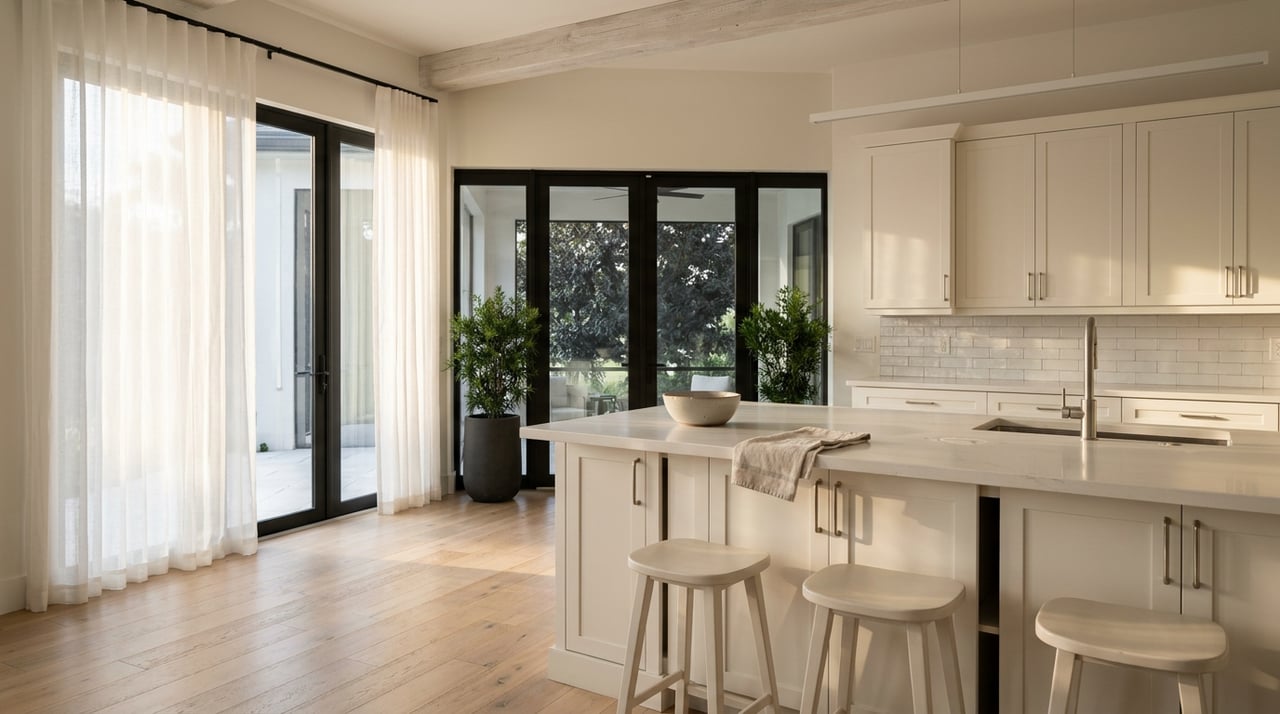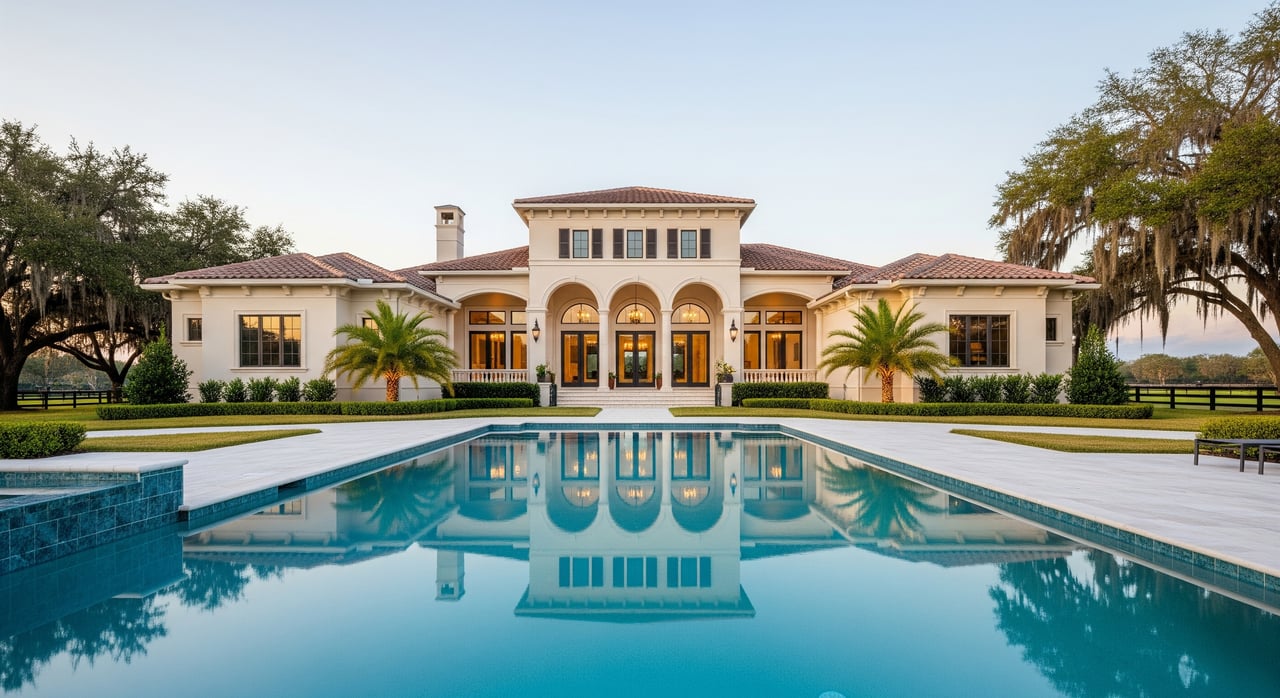
Thinking about building a new home in Calesa in southwest Ocala’s 34473? New construction can offer fresh design, energy efficiency, and community amenities, but it also comes with timelines, decisions, and fine print to manage. If you want clarity on whether Calesa-style new construction fits your timeline, budget, and lifestyle, this guide is for you. You’ll learn what to verify, how to budget, which lot questions matter most, and how to avoid common pitfalls. Let’s dive in.
Quick fit check: is Calesa right for you?
Good fit if you want:
- Modern floorplans, energy-efficient systems, and community amenities.
- A streamlined buying process with warranties and predictable maintenance.
- Some personalization without the complexity of fully custom builds.
Consider alternatives if you need:
- Immediate occupancy on a hard deadline and there is limited move-in-ready inventory.
- Maximum negotiation flexibility on price and upgrades found in older resales.
- Fully bespoke architecture or private-land builds.
What to verify in the community
Before you sign anything, confirm the details that affect your daily life and resale value.
Amenities and phasing
- Get a written list of amenities included with your phase: clubhouse, pool, fitness center, courts, trails, parks, dog areas, and sidewalks.
- Ask which amenities are open now, which are planned, and projected opening dates. Amenity phasing can influence HOA fees and usage.
Rules, services, and utilities
- Confirm whether the community has any age restrictions or unique deed restrictions in the CC&Rs.
- Verify utilities: public water and sewer, telecom options, and whether natural gas is available.
- Clarify municipal services, including police, fire, trash pickup, and school assignments with Marion County Public Schools.
The new-build process and realistic timeline
Every builder is different, but the general steps are consistent:
- Lot selection and contract reservation. You typically place a deposit to hold the lot.
- Choose a floorplan and options. The builder issues a buyer’s order with your selections.
- Permitting. The builder files permits and coordinates approvals with the county.
- Construction milestones. Site work, foundation, framing, mechanicals, finishes, and inspections.
- Final inspection and Certificate of Occupancy. Then closing and move-in.
Typical timeframes
- Inventory or semi-custom homes: about 4 to 8 months from construction start to Certificate of Occupancy.
- To-be-built production homes: about 6 to 12 months, depending on inventory, season, and selections.
- Larger or complex builds: 9 to 18 months or more.
Local variables can stretch timelines. Weather events, material delays, subcontractor availability, site drainage needs, and permitting backlogs all play a role. Ask for a milestone calendar and who pays permit fees. You can monitor permitting trends or contact the county through the Marion County Building Division if you want to understand inspection stages and requirements.
Pick the right lot in 34473
Lot choice heavily influences comfort, budget, and resale.
Lot type and privacy
- Interior vs corner: weigh traffic patterns, privacy, sidewalk flow, and yard layout.
- Cul-de-sac: quieter feel but irregular shapes and drainage can affect placement and cost.
- Conservation or water-adjacent: often higher premiums and potential restrictions on fences or patios.
Orientation and microclimate
- Solar exposure matters in Florida. West-facing windows invite more afternoon heat.
- Consider prevailing breezes, tree cover, and landscape buffers for summer comfort.
Elevation, drainage, and flood risk
- Verify FEMA flood zone status and base flood elevation for the specific lot through the FEMA Flood Map Service Center.
- Request any available soil or drainage reports. Lots requiring fill or engineered drainage can add cost and time.
- Confirm who maintains grading, swales, and retaining elements over time.
Easements, setbacks, and utilities
- Ask for a recorded plat and survey showing building envelopes and easements. These determine where pools, patios, and outbuildings can go.
- Confirm lateral locations for water, sewer, and telecom. If any lots use septic or wells regionally, understand the implications and maintenance.
Neighborhood context
- Review the master plan to see adjacent planned uses, including potential future commercial parcels, schools, or multifamily areas.
- Ask about HOA landscape buffers and street-tree plans along your lot.
Soil and termite protection
- Florida termites are a routine risk. Confirm pre-construction treatment, termite barriers, and warranty terms.
Budget: base price vs total move-in cost
A clear budget protects you from surprises. Ask for written, line-item pricing for everything.
Understand the pricing structure
- Base price and what’s standard in that price.
- Itemized upgrade list with costs for each option you select.
- Lot premium for your specific homesite.
- Incentives or allowances and whether they require a preferred lender or title company.
- Estimated closing costs and a draft closing statement.
Common upgrade categories
- Kitchen: cabinet level, countertops, appliances, hood ventilation.
- Baths: tile upgrades, vanities, hardware, and frameless glass.
- Flooring: tile or wood in large areas can add meaningfully to the total.
- Outdoor living: screened lanai, patio extensions, pavers, or pool packages.
- Structural: extended garage, sunroom, or primary suite expansions.
- Mechanical and energy: HVAC size, efficiency ratings, insulation, and smart-home packages.
- Landscaping and irrigation: confirm what is included and what is buyer-finished.
How to plan your budget
- Build a simple formula: Base price + selected options + lot premium + estimated closing costs.
- Add a contingency of 1 to 3 percent for punch-list fixes and minor changes.
- Plan for soft costs after closing: window coverings, garage storage, fencing, mailbox, and address numbers.
HOA fees and assessments
- Amenity-rich HOAs can carry higher dues. Ask for the HOA budget, current fee schedule, and any planned special assessments.
- Clarify what dues cover, such as lawn service, exterior maintenance, security, and clubhouse upkeep.
Insurance and taxes
- Separate wind, flood, and homeowners insurance estimates. Flood may be required depending on your zone.
- Verify how new construction will be assessed with the Marion County Property Appraiser. New assessments can change in year two.
- For tax schedules and payments, consult the Marion County Tax Collector.
Warranties and post-closing service
- Many builders offer a 1-year limited workmanship warranty, 2-year systems coverage, and a 10-year structural warranty. Terms vary, so get the full warranty and claim process in writing.
- Ask about response times, how to submit claims, and warranty transferability on resale.
Move-in-ready vs to-be-built
Use this quick comparison to align your priorities with the right path.
| Factor | Move-in-ready | To-be-built |
|---|---|---|
| Timeline | Fastest. Often weeks to a few months. | Longer. About 6 to 12 months on average. |
| Personalization | Limited. Finishes are already selected. | High. Choose finishes, some floorplan options, and lot orientation. |
| Cost certainty | Higher. Price and features are largely fixed. | Variable. Upgrades can add quickly if not managed. |
| Best for | Buyers with firm timelines or relocation needs. | Buyers prioritizing customization and lot choice. |
If time-to-move is the priority, inventory often wins. If lot orientation and design choices matter most and you can manage schedule flexibility, to-be-built can be a great fit.
Due diligence: ask before you sign
Request these documents and confirmations upfront:
- Written features list showing what is standard in the base price.
- Itemized upgrade sheet with exact costs and change-order policy.
- Lot plat or survey with building envelope, easements, and setbacks.
- HOA governing documents, bylaws, budget, reserves, fee schedule, and any special assessment history or plans.
- Builder warranty booklet and claims process.
- Permit plan, who pays fees, and an inspection milestone calendar. For context on permits and inspections, consult the Marion County Building Division.
- Any available soil or drainage reports for the lot.
- Proof of active contractor licensing through the Florida DBPR.
- Recent comparable sales in the community for pricing context.
- Incentives in writing, including any lender or title conditions.
Common pitfalls to avoid
- Underestimating upgrade costs by not tallying every line item.
- Assuming a firm completion date when schedules are estimates.
- Overbuilding beyond neighborhood comparables, which can affect resale.
- Not confirming utilities, telecom options, or gas availability.
- Paying full HOA fees before amenities are open without understanding the timeline.
- Relying on verbal promises instead of written agreements.
- Skipping independent inspections at key milestones and pre-close.
- Misunderstanding warranty coverage and response timelines.
Local resources to verify details
- Check flood status and base flood elevation at the FEMA Flood Map Service Center.
- Confirm contractor licensing and complaints via the Florida DBPR.
- Review assessments, parcel maps, and values with the Marion County Property Appraiser.
- Research recorded plats and CC&Rs through the Marion County Clerk of Court.
- Contact the Marion County Building Division about permits and inspection requirements.
- Confirm school assignments with the Marion County School District.
- Review tax timelines and payments at the Marion County Tax Collector.
Your path forward
New construction in Calesa and the surrounding 34473 area can be a smart move if you approach it with clear eyes and a solid plan. Confirm amenity phases and HOA scope in writing, choose a lot that fits your lifestyle and risk tolerance, keep a disciplined upgrade budget, and build in flexibility on timing. Independent inspections and document checks will help protect your investment while you enjoy the benefits of a modern, low-maintenance home.
If you want a local, concierge-style advisor to guide you through Calesa and other new construction options across southwest Ocala, schedule a conversation with Stacey Rollins. Stacey provides buyer representation, relocation support, and a calm, detail-forward process from first tour to closing.
FAQs
What is the typical build timeline for a new home in Calesa-type communities?
- Many production new builds run about 6 to 12 months, while move-in-ready inventory can close in weeks to a few months, depending on permits, weather, and materials.
How do I check if a specific Calesa lot is in a flood zone?
- Look up the address at the FEMA Flood Map Service Center and confirm base flood elevation and insurance needs with your insurer and lender.
What should I ask the HOA before buying new construction in 34473?
- Request the governing documents, the current fee schedule, the annual budget, reserve details, and whether any special assessments are planned for upcoming amenities.
Can I hire a third-party home inspector for a new build?
- Yes. It is wise to hire an independent inspector for pre-drywall and pre-close checks, then confirm that all punch-list items are addressed before settlement.
How do builder incentives usually work in master-planned communities?
- Incentives may reduce price or help with closing costs and can be tied to using the builder’s preferred lender or title company, so get terms in writing and compare options.
How do I verify the builder’s license in Florida?
- Use the Florida DBPR to search the contractor’s license status and review any disciplinary history before you sign.