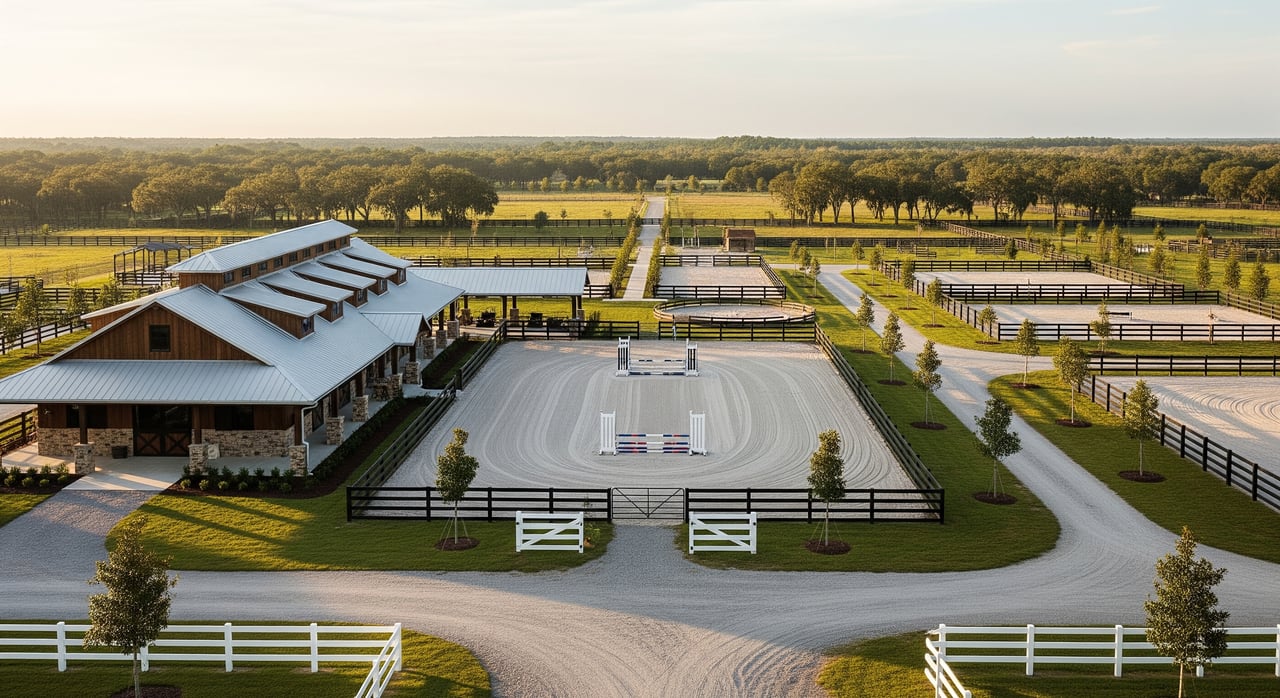
Are you weighing two beautiful farms in Turning Hawk Ranch but unsure which layout will actually work for your horses and daily routine? In Ocala’s horse-focused market, function matters as much as curb appeal. This guide gives you a clear, practical way to evaluate barns, pastures, arenas, access, and maintenance with Florida’s climate in mind. You’ll come away with a checklist you can use on every showing in 34471. Let’s dive in.
Start with your riding goals
Before you walk the first paddock, define how you ride and care for your horses. Your plan shapes the ideal layout.
- Competition schedule and venues: Consider how often you will trailer to major events and training centers in the Ocala area. Daily trailer time and staging needs often drive layout choices.
- Conditioning and turnout: Decide how much time you want in an arena versus on trails and pasture. This affects arena size, footing needs, and pasture rotation.
- Headcount and herd dynamics: The number of horses, turnout groups, and stall use will determine paddock count, lane design, and water placement.
Barn placement and design
A well-sited barn saves time, reduces heat stress, and improves safety.
- Orientation and airflow: In Florida’s hot, humid summers, ventilation is key. Aisles and windows aligned to capture cross-breezes, a north-south aisle orientation, ridge vents, and roof overhangs help passive cooling.
- Proximity to turnout: Keep safe, direct routes from stalls to paddocks. Short paths reduce handling time and stress and limit dirt and dust tracked into the barn.
- Safety and circulation: Ensure wide, clear driveways for emergency access. Separate hay and feed storage from stalls and tack areas. Check lighting, wiring protection, and GFCI outlets where appropriate.
- Inside the barn: Verify stall size, smooth latches, adequate aisle width, a secure feed room, a dry tack room, and a wash stall with proper drainage.
- Manure location: Place manure storage downwind from living areas and away from water sources. Ask about removal or composting routines.
Pasture and paddock flow
Pasture layout in 34471 should support rotational grazing and easy movement.
- Rotational design: Multiple paddocks allow rest periods, healthier forage, and better parasite control. A designated sacrifice area protects your best grass during wet months.
- Water access: Look for hydrants or automatic waterers in every paddock. Protected waterlines reduce maintenance.
- Fencing and gates: Evaluate material, height, and gate swing. Safe latches and clear lanes help when leading horses or moving a tractor.
- Shade and shelter: Mix natural shade from healthy trees with constructed run-ins for storms and summer sun. Check for root heave near fences.
- Manure and turnout rotation: Ask how paddocks are rested and how manure is handled to support pasture health.
Arena orientation and footing
A usable arena is about orientation, base, and drainage as much as size.
- Orientation: A long axis aligned roughly north to south helps reduce glare during morning and evening rides. Adjust for wind breaks and site exposure.
- Location near the barn: Keep the arena close enough for daily use but offset to cut down on dust and mud tracking into aisles.
- Base and drainage: Sandy soils drain quickly, but arenas still need layered base construction, a crown, and perimeter drainage to prevent ruts and standing water after storms.
- Maintenance and lighting: Ask about footing type, moisture management, and dragging routine. If you ride after work, arena lights can be a must-have.
Trailer access and circulation
Turning radius and surface quality can make or break daily logistics.
- Driveway and approach: Confirm width, surface, and overhead clearance. Watch for tight gates, low limbs, and blind turns.
- Parking plan: Dedicated trailer parking and a turnaround reduce wear on lawns and keep service vehicles out of paddock gates.
- Staging area: A flat space for loading, unloading, and temporary stalls is helpful on show weeks.
Drainage, soils, and flood risk
Heavy rain is part of Florida living. Good drainage protects your investment.
- Site grading: Walk the property after rain if possible. Look for swales, French drains, and evidence of past standing water.
- High water table checks: Know where water sits during storms. This influences barn pads, arena siting, and road base performance.
- Septic and percolation: If you plan to add bathrooms, wash areas, or an apartment, confirm septic location, capacity, and permit history.
- Floodplain mapping: Verify whether any portion of the parcel is within a mapped flood zone before planning new construction.
Utilities and services
Reliable utilities keep your farm running smoothly in 34471.
- Water and power: Confirm whether the property is on well or municipal water. Verify power capacity for barn fans, lights, pumps, and hot water.
- Broadband and cameras: Many buyers want connectivity for smart cameras and remote monitoring.
- Local suppliers and care: Proximity to hay supply, farriers, veterinarians, and training stables can influence weekly routines.
Fencing types and upkeep
Your safety and budget depend on fence design and condition.
- Common options: Post-and-rail offers classic appeal with more maintenance. Vinyl rail reduces upkeep at a higher upfront cost. Woven wire with a top rail improves containment. Electric tape or rope works best as part of a multi-line system.
- What to inspect: Post spacing and depth, signs of rot or termite exposure, line-of-sight for horses, and gate latch safety.
- Cost planning: Replacement costs vary by material and linear footage. Walk the fence lines to gauge remaining life and scope.
Shade, shelter, and fly control
Florida heat and storms call for a thoughtful comfort plan.
- Shade strategy: Healthy live oaks and native trees offer shade. Pair with well-built run-ins for storms and mid-day sun.
- Fly and mosquito management: Fans, screens, misting systems, and careful water management reduce insect pressure and improve horse comfort.
Local rules and verification in 34471
Before you rely on any layout assumptions, verify the rules.
- Zoning and permits: Check with Marion County departments about land use, setbacks, and permits for barns, arenas, or changes of use.
- HOA and CC&Rs: Review Turning Hawk Ranch recorded restrictions, including the permitted number of animals, commercial boarding rules, signage, and building materials.
- Environmental layers: Review wetlands and floodplain maps before siting new structures or filling low areas.
- Records to pull: Parcel zoning, septic permit history, and as-builts showing utilities and structure locations.
Touring checklist for Turning Hawk Ranch
Use this quick checklist on every showing.
- Safety first: Stall size and condition, smooth latches, ventilated aisles, sound roofing, and protected electrical.
- Daily care: Tack and feed storage that controls moisture and rodents, a wash rack with hot water and non-slip drainage, and hydrants or waterers in each paddock.
- Movement and flow: Short, safe lanes between barn, paddocks, and arena. Gate design that allows a horse and a person to pass comfortably.
- Arena: Orientation, footing depth and consistency, crown and drainage, plus lights if you ride evenings.
- Access: Driveway surface and width, turning radius for your rig, vertical clearance, and dedicated parking.
- Fencing: Type, height, post condition, and gate latch safety. Avoid any barbed wire.
- Manure and insects: Storage location, removal plan, fly control systems, and water management to limit breeding sites.
- Legal: Zoning, permits, CC&Rs, septic and well records, and any flood zone status.
Who to bring before you buy
A strong team helps you make a confident decision.
- Equine-savvy home or barn inspector to assess structure and safety.
- Equine veterinarian for herd health considerations and parasite risks.
- Barn or arena contractor for base and drainage advice.
- Soil or civil engineer for grading, water table, and flood risk.
- Surveyor to confirm boundaries, easements, and fence placement.
- Real estate attorney for CC&Rs, easements, and commercial-use questions.
- Local extension agents for pasture species, fertilizer timing, and manure management suited to Florida.
Bringing it all together
In Turning Hawk Ranch, the best layout is the one that fits your horses, your training schedule, and Florida’s climate. Focus on ventilation, safe movement, pasture rotation, drainage, and trailer logistics. Verify local rules early and lean on expert advisors to confirm the feasibility of any upgrades. If two properties check the same boxes, choose the one that shortens your daily care routine and holds up best in summer storms.
If you want a private, guided look at active opportunities in Turning Hawk Ranch and nearby equestrian communities, connect with Stacey Rollins for a concierge walkthrough tailored to your riding goals.
FAQs
How many horses fit on a Turning Hawk Ranch property?
- It depends on usable pasture acreage, turnout time, and whether you will stall or full-time turnout; evaluate paddock size, forage production, and manure capacity before deciding.
Are barns and arenas permitted in Marion County and Turning Hawk Ranch?
- Confirm with county building and zoning and review the community’s recorded CC&Rs for setbacks, permitted uses, and any special approvals before building or changing use.
What arena orientation works best for Ocala’s sun and wind?
- A long axis aligned roughly north to south typically reduces glare at sunrise and sunset, with adjustments for microclimate and wind breaks as needed.
How do I know if my trailer will fit the driveway and gates?
- Measure driveway and gate width, turning radius, and vertical clearance, then test the approach if possible with your rig to confirm safe circulation and parking.
What does fencing replacement cost in 34471?
- Costs vary by material and total linear feet; inspect posts and rails to gauge remaining life and request contractor quotes for realistic budgeting.
Which professionals should I hire before closing on a horse farm?
- An equine-focused inspector, veterinarian, arena contractor, soil or civil engineer, surveyor, real estate attorney, and local extension agent provide a complete picture of risk and feasibility.