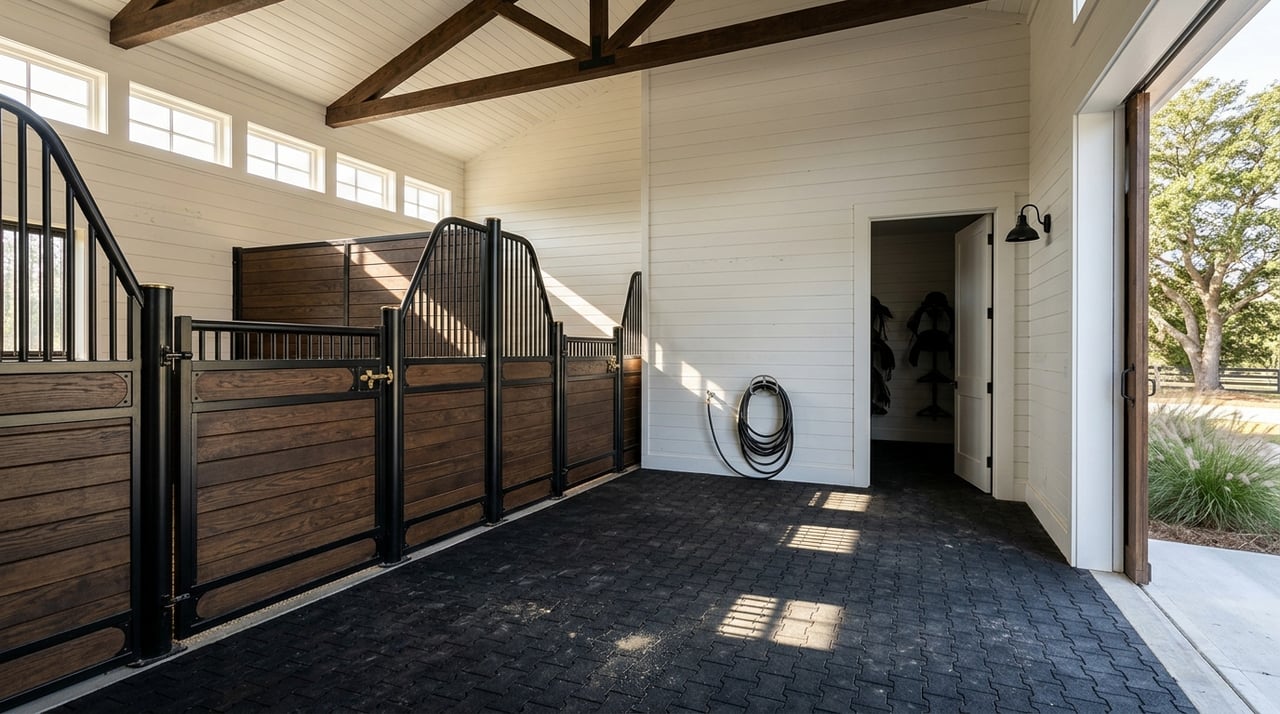
If you are thinking about selling in Turning Hawk Ranch, one truth matters right away: buyers here are not just shopping for a house. They are evaluating a horse property, a lifestyle, and the day-to-day function of the land. In a market where buyers have choices and take time to compare them, smart positioning can shape how your home stands out from the start. Let’s dive in.
Understand the Turning Hawk Ranch buyer
Turning Hawk Ranch sits in a part of Marion County where equestrian use is central to value. Marion County identifies itself as the Horse Capital of the World®, with more horses than anywhere else in the country and a deep network of equine services that includes veterinarians, tack retailers, blacksmiths, equine dentists, and horse transport companies. That means many buyers will view your property through a horse-first lens, not as generic acreage.
That local context matters even more in today’s market. In ZIP code 34471, Realtor.com reported 258 homes for sale in April 2026, with a median listing price of $373,950 and a median of 87 days on market. Homes sold for an average of 4.15% below asking in March 2026, and Turning Hawk Ranch itself currently shows a limited but meaningful set of competing listings, so presentation and function both matter.
Price expectations start with market reality
When the market is selective, buyers tend to look harder at details and negotiate more confidently. The broader Marion County market is also softer, with 9,071 homes for sale, a median listing price of $296,000, and 75 median days on market. For you as a seller, that means pricing and presentation should work together rather than rely on one strong feature alone.
A strong list strategy does not mean chasing the highest possible number without support. It means matching your price to the property’s actual horse function, condition, paperwork, and buyer appeal. If your home offers standout features like usable pasture, organized barn space, and trail access, those points should be positioned clearly from day one.
Lead with horse-property function
In Turning Hawk Ranch, buyers often notice horse infrastructure before they notice decorative upgrades. A beautiful kitchen can help, but if the barn feels cluttered, the fencing looks tired, or the turnout appears poorly drained, serious horse buyers may move on quickly. Your goal is to show that the property works well in real life.
University extension guidance for horse facilities highlights the basics buyers are likely to notice fast: unobstructed aisles, smooth stall walls, clean wash stalls, neatly hung hoses, sturdy fencing, and footing that drains well. Roads and driveways should also be wide enough, smooth, and free of ruts or bumps, with parking kept away from the barn area. These are practical details, but they also send a message that the property has been thoughtfully maintained.
Barn presentation tips
Before photos or showings, focus on the spaces buyers will inspect closely:
- Remove unused equipment and visible debris
- Clear barn aisles and work zones
- Check stall walls and doors for rough or damaged areas
- Clean wash stalls and improve drainage where possible
- Coil and hang hoses neatly
- Organize feed, tack, and storage areas
- Repair or tighten fencing where needed
- Grade obvious bumps or ruts in drives and parking areas
You do not need a barn that looks perfect or overly styled. You need a barn that looks safe, orderly, and ready for use.
Show pasture quality, not just acreage
A common mistake in horse-property marketing is treating acreage as the whole story. Buyers in this segment usually want to know whether the pasture is usable, manageable, and suited to the way they keep horses. A five-acre property can feel less compelling than a smaller parcel that is better drained, better maintained, and more thoughtfully divided.
UF/IFAS notes that pasture needs depend on productivity, horse size, and management. On productive, well-managed summer pasture, a mature horse may need about 1 to 1.5 acres. On less productive sites, that number may be closer to 2 to 2.5 acres per mature horse.
What buyers want to see in the pasture
Buyers will often respond well when the land looks cared for and easy to manage. That can include:
- Grass coverage that appears usable rather than overgrazed
- Evidence of mowing and weed control
- Sensible turnout layout
- Drainage that does not suggest standing water problems
- A manure-handling approach that supports clean use
If your property has a rotational grazing setup or especially productive pasture management, that can help tell a stronger story. The point is to show that the land supports horses well, not simply that the parcel is large.
Make trail access a headline feature
In many neighborhoods, trail access is a nice extra. In Turning Hawk Ranch, it can be a major selling point. Marion County confirms the Cross Florida Greenway is an established trail system, and local coverage has specifically highlighted Turning Hawk Ranch properties with gate access leading directly to the Greenway.
If your home has direct access, easy access, or practical proximity to riding routes, that should not be buried deep in the description. It belongs near the top of your marketing story because it connects directly to how many buyers want to live and ride in this area. Convenience to the trail system can be just as meaningful as a property feature inside the gate.
Prepare documents before you list
Good presentation builds interest, but good documentation builds confidence. Marion County Building Safety handles permits and inspections through Civic Access, and county guidance says permits are required for many projects that construct, enlarge, alter, repair, move, or demolish a structure or change utility systems. If you have made improvements to the property, buyers may want quick answers.
Having records ready helps reduce friction during due diligence. It also supports your pricing and protects momentum once interest starts building.
Gather these records early
Try to collect:
- Permit records for barns, structures, arenas, gates, driveways, or electrical work
- Final inspection records when applicable
- Contractor information and dates of work
- Basic maintenance history for key systems and improvements
If a buyer asks when something was built, expanded, or wired, you want that answer to be clear and easy to verify.
Use photos to tell the right story
Most buyers will meet your property online before they ever set foot on it. NAR-reported Realtor.com guidance says 81% of buyers rated listing photos as the most useful feature in their online home search. That makes launch preparation especially important, because first impressions carry real weight.
For a Turning Hawk Ranch property, photo strategy should reflect how equestrian buyers evaluate value. In many cases, that means leading with a strong exterior view of the home, then showing the barn, turnout or pasture, driveway access, and trail context in a sequence that feels logical and informative. The goal is clean, accurate presentation that highlights function and setting without over-editing.
Focus your photo prep here
Before photography day, prioritize:
- Crisp mowing and edging near the house and barn
- Clean fence lines and gate areas
- Clear drive approaches and trailer-friendly access points
- Freshly organized tack and feed rooms
- Washed stall fronts, doors, and barn aisles
- A realistic, uncluttered look in every image
Over-edited photos can damage trust. Buyers should feel pleasantly confirmed when they arrive, not surprised.
Time your launch around equestrian traffic
Ocala does not have one short, simple show season. The competition calendar runs through multiple active windows, including major 2026 dates at the World Equestrian Center and recurring events at Florida Horse Park. That creates repeated periods when horse-focused buyers, owners, and support teams are already active in the area.
Realtor.com identified April 12 through 18 as the national peak week to list in 2026, but local timing still depends on inventory and demand. In Turning Hawk Ranch, a practical approach is to be fully photo-ready and paperwork-ready before a major event block so your property can hit the market when equestrian traffic is elevated. Readiness matters more than rushing.
Position the home as a complete lifestyle
The strongest listings in this segment do more than state features. They connect the residence, the land, the horse setup, and the local riding lifestyle into one clear story. Buyers want to understand not just what the property has, but how it supports the way they want to live.
That is especially true in a community like Turning Hawk Ranch, where buyers may compare turnout usability, barn flow, trail access, driveway function, and overall presentation side by side. When your home is positioned well, buyers can quickly see the value in both the property and the lifestyle it offers.
A polished sale plan usually includes more than cleaning up before photos. It means looking at your home through the eyes of a serious horse-property buyer, correcting distractions, preparing records, and presenting each feature in the order buyers care about most. In a selective market, that level of preparation can make a meaningful difference.
If you are getting ready to sell a Turning Hawk Ranch property, personalized guidance can help you decide what to improve, what to highlight, and how to launch with confidence. For a private consultation and tailored marketing strategy, connect with Stacey Rollins.
FAQs
How should you prepare a Turning Hawk Ranch barn before listing?
- Focus on safety, cleanliness, and function by clearing debris, opening aisles, organizing storage, cleaning wash areas, and checking fencing, drainage, and drive access.
How much pasture is enough for a horse property in Marion County?
- UF/IFAS says pasture needs depend on productivity and management, but a mature horse may need about 1 to 1.5 acres on productive summer pasture or about 2 to 2.5 acres on less productive sites.
Why does trail access matter when selling in Turning Hawk Ranch?
- Trail access can be a major feature because the Cross Florida Greenway is an established local trail system, and direct or practical access supports the equestrian lifestyle many buyers want in this area.
What records should you gather before listing a horse property in Marion County?
- Gather permit records, final inspections, contractor details, and improvement history for work such as barns, arenas, gates, driveways, structures, and electrical updates.
How important are listing photos for a Turning Hawk Ranch home sale?
- Very important, because NAR-reported Realtor.com guidance says 81% of buyers rated photos as the most useful feature in their online home search.